Before You Lock That Bet, Look Outside: A Bettor's Guide to Wind, Rain, and Why the Forecast Beats the Hype
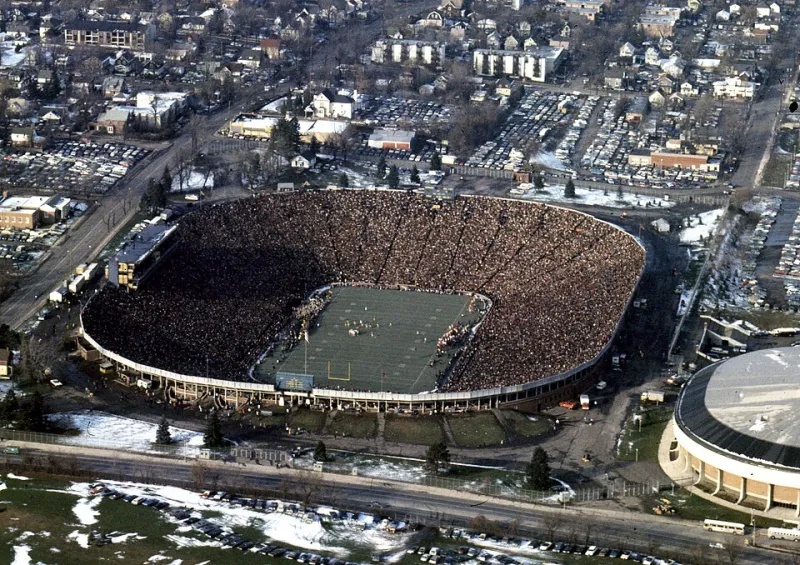
Photo: University of Michigan. News and Information Services., CC BY 4.0, via Wikimedia Commons
You've done your homework. You checked the injury report, you scrolled the analytics Twitter accounts, you even watched three minutes of a film breakdown video at 1.5x speed. You're ready to bet.
But there's a decent chance you skipped the one thing that doesn't show up on any highlight reel: the weather report.
Why the Sky Matters More Than You Think
Sportsbooks don't hang numbers on a wall for fun. Every spread and total is priced with everything the oddsmakers know — and weather is baked into that price. When a gusty forecast rolls into Chicago or a monsoon hits an outdoor stadium in Foxborough, the books adjust. Casual bettors who don't adjust with them are essentially betting yesterday's line on tomorrow's conditions.
The most weather-sensitive number is the total (the combined points or runs scored). Mother Nature is a defensive coordinator. Heavy wind turns 50-yard field goals into coin flips, kills deep passing attacks, and generally drags scoring down. Rain and snow do the same thing, just with more fumbles. Meanwhile, most recreational money keeps flowing toward the over because people love watching points. That gap — between what the conditions suggest and what the public bets — is where sharp bettors live.
Wind: The Quiet Line-Mover
Of all the elements, wind is the one that actually changes how teams play. Sustained winds above 15–20 mph make long field goals unreliable, which means coaches face fourth-and-short far more aggressively. Crosswinds wreck the deep ball. Kickers who thrive in domes suddenly look lost.
The classic example is any December game at Soldier Field. Chicago's lakefront stadium has produced some famously ugly totals over the years, and books routinely shade totals down several points when the forecast turns. Bettors who caught the wind alert early got the better number; bettors who waited until kickoff got the scraps.
The rule of thumb: gusts matter more than sustained speed. A steady 10 mph breeze is manageable. 25 mph gusts? That's a different sport.
Rain, Snow, and the Fumble Economy
Precipitation affects games in two ways: it slows scoring, and it increases chaos. Wet footballs get dropped. Snap counts get botched. Punters become the most important players on the field.
For totals, heavy rain is your friend if you like unders. For spreads, it's murkier — bad weather tends to compress the talent gap, because the better team can't fully leverage its advantages. A seven-point favorite in a downpour is arguably less safe than the number suggests. Slush and snow especially favor the underdog and the running game.
Altitude: The Home Field You Can't See
Denver's Coors Field and Empower Field sit a mile above sea level, and the effects are real. In baseball, Coors Field is famous for inflated scoring — thinner air means the ball carries farther, breaking pitches break less, and totals at Coors routinely run higher than the same matchup anywhere else. Oddsmakers know this, but casual bettors still occasionally treat a Rockies game like any other Tuesday night slate filler.
In football, altitude is more of a second-half story. Visiting teams that arrive late sometimes visibly fade in the fourth quarter. It's not a reason to bet Denver blindly — the Broncos haven't exactly been a fortress at home every season — but it's a legitimate tiebreaker when you're on the fence.
Turf and Surface: The Boring Edge
Grass versus turf sounds like a groundskeeper's debate, but it matters. Fast turf favors speed — track teams, deep passing games, fast MLB outfielders. Slow, chewed-up grass in December favors the ground-and-pound squad. Some MLB parks play dramatically different based on grass conditions and humidity, which is why day games in summer humidity can turn into slugfests.
None of this is a magic formula. It's a stack of small edges, and small edges are the entire business.
Your Five-Minute Pre-Kickoff Checklist
Run through this before any outdoor NFL or MLB bet:
- Check the wind forecast, not just the temperature. Look for gusts over 15 mph at stadium level. If it's a crosswind at an open-air stadium, shade toward the under.
- Note precipitation timing. Light drizzle is noise. A heavy band arriving at kickoff is signal.
- Check the roof. Domed and retractable-roof stadiums neutralize almost all of this. Don't bet weather angles in Arizona.
- For MLB, check the park. Coors Field, Great American Ball Park, and Yankee Stadium play hot. Pitcher-friendly parks like Oracle Park play cold.
- Compare the line to the forecast. If the total hasn't moved despite a nasty forecast, the market might be telling you something — or you might be early. Being early is fine. Being late is expensive.
The Forecast Isn't a Guarantee — It's a Filter
Weather betting isn't about predicting the future. It's about refusing to bet blind. The injury report gets all the attention, but a 30 mph gust off Lake Michigan has ended more overs than any hamstring strain ever will.
So next Sunday, before you lock anything in, do the thing the sharp bettors do: open the weather app first. It takes thirty seconds, it's free, and unlike your parlay, it never lies to you.
Bet responsibly. Weather happens, and so do bad beats.