Fifteen Minutes of Sanity: Why NBA Halftime Is the Smartest Betting Window You're Ignoring
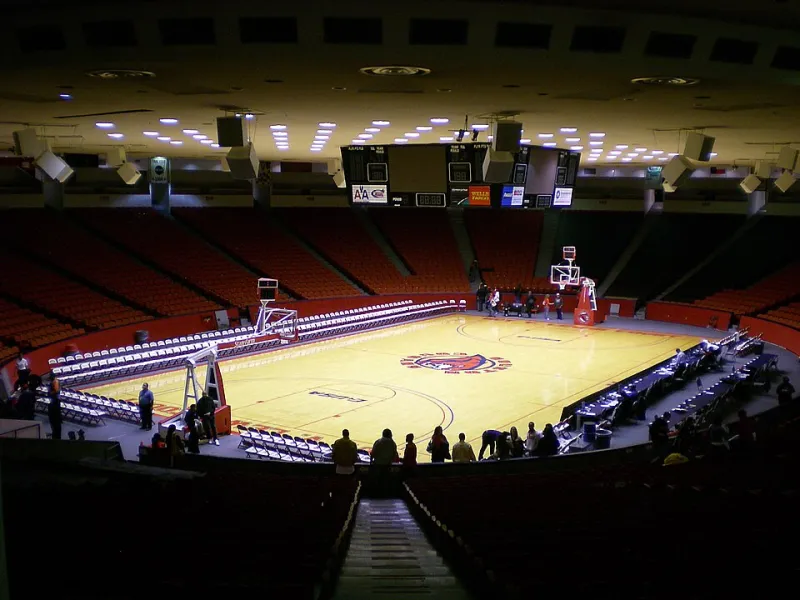
Photo: BrianReading, CC BY-SA 3.0, via Wikimedia Commons
Live betting is a sugar rush. The odds flash, the app buzzes, and suddenly you've dropped $20 on a random Tuesday in November because the Nuggets went on a 7-0 run. If that sounds familiar, here's a calmer idea: close the app at halftime and open it back up with a plan.
The NBA halftime break — roughly 15 minutes of nothing but analysis, snacks, and a bathroom run — is arguably the most underrated betting window in American sports. And unlike the frantic in-game markets, it rewards the exact thing casual bettors actually have: patience.
Why the Halftime Market Exists at All
Sportsbooks don't take a break when the players do. During halftime, oddsmakers (and increasingly, algorithms) reprice the entire game. The second-half spread, the game total, adjusted player props — all of it gets recalculated based on 24 minutes of real evidence.
Here's the thing most casual fans miss: the books have to move fast. They're pricing dozens of games simultaneously, and the halftime adjustment is part formula, part gut, part liability management. That speed creates small inefficiencies — a line that overreacts to a hot first half, or a total that hasn't fully accounted for a star picking up early foul trouble.
You don't need to be a sharp to notice these things. You just need 15 uninterrupted minutes, which is exactly what halftime gives you.
The Emotional Advantage Nobody Talks About
Think about how most live bets happen. You're watching, your team is down eight, the crowd (or your group chat) is loud, and you fire off a bet to "fix" the feeling. That's not analysis — that's emotional damage control.
Halftime is the antidote. The game literally stops. There's no buzzer-beater pressure, no live line moving under your feet. You get to sit with the first half, ask actual questions, and decide whether the second half offers anything worth your money.
Sometimes the answer is no. That's a win, too.
How Books Actually Adjust at Halftime
A quick peek behind the curtain. When oddsmakers set the second-half line, they're generally working from three inputs:
- The current score and remaining time — the baseline math
- First-half performance trends — shooting percentages, pace, turnovers, rebounding margins
- Situational factors — foul trouble, injury status, whether a team's star sat extended minutes
The market tends to overcorrect toward the most recent visible action. If a team closed the half on a 12-2 run, the second-half line often shades too far in their direction. Regression is real in the NBA — three-point shooting especially. A team hitting 60% from deep in the first half is far more likely to cool off than stay volcanic.
That's your opening. Not a guaranteed one, but a structurally better one than betting mid-possession at 2 a.m.
The 15-Minute Halftime Checklist
Here's a simple routine you can run during any NBA halftime, in about ten minutes:
1. Check the shooting splits (2 min). Is either team shooting way above or below their season average from three? Extreme numbers tend to regress. If the underdog is up because of unsustainable shooting, the second-half spread might still be overpriced in their favor.
2. Scan the foul and injury situation (2 min). Did a key big man pick up four fouls? Is a star quietly nursing something? These change rotations more than the raw score suggests.
3. Look at the pace (2 min). Was the first half a track meet or a slugfest? Compare the first-half total pace to both teams' usual tempo. If the game total assumes the second half matches the first, ask whether that's realistic.
4. Audit your existing bets (3 min). If you bet the pregame total and it's tracking well, halftime is when you decide — calmly — whether to hedge, hold, or add. No panic moves.
5. Decide before the third quarter starts (1 min). Set your stake and your reasoning, then stop. If the line moves after tip, let it go.
A Word on Expectations
Halftime betting won't turn you into a syndicate. The books are good, the margins are real, and no single window prints money. What it does do is remove the two biggest bankroll killers for casual bettors: impulse and volatility.
You're making one considered decision per game instead of six reactive ones. Over a long NBA season, that discipline compounds more than any single clever bet ever will.
So next time the second quarter ends, resist the urge to scroll. Make a sandwich. Check the box score. Then decide — slowly — if there's actually a bet worth making.
The market's busiest window isn't when the ball is live. It's when it isn't.