Your Pick Was Right. Your Ticket Still Lost. The Quiet Math of Pushes, Voids, and Cash-Outs

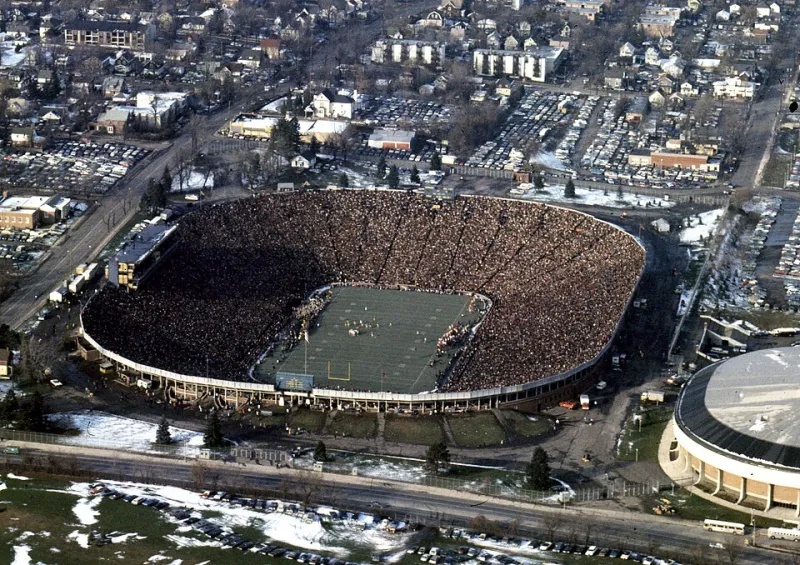
Photo: Kokai, CC BY-SA 2.0, via Wikimedia Commons
Most of us treat a bet like a simple yes-or-no question. You pick a side, you sweat the final, you check the app. But the ticket in your hand is less a prediction and more a contract — and like any contract, the boring clauses do a lot of the work. Pushes, voids, dead heats, and cash-out offers don’t get the airtime of a prime-time pick, yet they decide plenty of outcomes before the final whistle even matters. If you’ve ever stared at a “winning” pick that paid zero, you already know the feeling. Here’s how those three little words — push, void, cash out — actually operate, and how to spot them before you stake a dime.
The Scoreboard Isn’t the Whole Story
A sportsbook doesn’t grade your bet against the final score alone. It grades it against the exact terms you agreed to when you tapped “place bet.” That means the number, the player’s status, the overtime rules, the stat-correction window, and a handful of house rules all get a vote. Two bettors can watch the same NFL game, root for the same team, and walk away with different results because one took the spread at -3 and the other took it at -2.5. The football was identical. The contracts were not.
This is the part casual players skip. We obsess over injury reports and weather, then ignore the fine print that determines whether a Monday morning grade reads “won,” “lost,” “push,” or “void.” The forecast is a guess. The settlement rules are closer to a fact. Learning them is one of the cheapest edges in the game.
Pushes: When “Close” Pays Nothing — or Everything Back
A push is the shrug of sports betting. Your bet lands exactly on the number, so the book returns your stake and grades the wager as a tie. No profit, no loss. It feels like a wasted afternoon, but it’s not a loss — and that distinction matters more than most people think.
Take an NFL spread of -3. The favorite wins by exactly three. That’s a push. The same logic applies to totals: if the NBA total is 224 and the game lands on 224, the over and under both push. College football alternate spreads work the same way. A +17.5 underdog that loses by 17 covers; the same dog at +17 pushes if the final margin is exactly 17.
The practical takeaway is simple: before you bet, ask whether the number you’re taking is a “whole” number or a “half” number. Whole-number spreads and totals can push. Half-point lines cannot. That half-point often costs extra juice, but it also removes the most frustrating outcome in betting. Whether that trade is worth it depends on your bankroll and your stomach, not on a highlight reel.
Voids: The Bet That Never Happened
A void is stranger than a push. The bet is canceled, your stake comes back, and the wager essentially disappears from your record. Voids usually show up when the event you bet on doesn’t happen the way the book expected: a player prop on someone who is ruled out before the game, a game that gets postponed, a stat that gets corrected after the fact, or a market that gets pulled because of an eligibility issue.
Player props are the usual suspect. You bet an NBA guard to score 20-plus points, he warms up, feels tightness, and gets scratched. Depending on the book’s rules, that prop may void rather than lose. Same with an NFL receiver who is inactive. That sounds friendly — and it is — but it also means your “winner” can vanish if the player you needed didn’t officially participate. A void isn’t a win. It’s a refund with a shrug.
The lesson: if you’re betting props, check the void rules before you bet, not after. Some books void on any non-participation; others require a player to see the field or take a snap. Those are different contracts. At Kubet Arena, we’d rather you know which one you signed.
Dead Heats: The Tie That Splits Your Stake
Dead heats are rare in spread betting but common in futures and awards markets. If two players tie for a statistical crown or an award, the book may apply a dead-heat rule that splits your stake across the tied outcomes. You don’t lose outright, but you don’t get the full payout either. College football futures are a good example: if two players share a major award and you bet one of them at long odds, the dead-heat rule can shrink what looked like a dream ticket.
Most casual bettors never read this rule until it bites them. The fix is not complicated. Before you bet a futures market, open the house rules and search for “dead heat.” If you can’t find it, assume the book has one and size your bet accordingly.
Cash-Out: The Button That Feels Like a Win and Acts Like a Tax
Cash-out is the sportsbook’s most seductive feature. Your NFL team is up 10 at halftime, the app offers you a payout that’s less than the full win but more than zero, and your finger starts hovering. It feels like control. It feels like wisdom. Sometimes it is. Often it’s just a convenience fee dressed up as a strategy.
Here’s the honest way to think about it: a cash-out offer is the book’s estimate of your ticket’s current value, minus a margin. You are not beating the market by taking it; you are accepting a price for certainty. That can be smart if you need the money, if the game script has flipped, or if the offer is genuinely above what the live market implies. It can be costly if you panic-sell every time a favorite goes down a score.
Before you tap cash out, ask one question: would I make this same bet right now at this price? If the answer is no, the offer might be fair. If the answer is yes, you’re probably paying the book to hold your hand.
A Pre-Bet Checklist That Takes 90 Seconds
You don’t need a spreadsheet. You need a habit. Run this list before you confirm any wager:
- Check the exact number. Is it a whole number that can push, or a half-point that can’t?
- Know the overtime rule. NFL and college football handle extra periods differently, and some markets exclude overtime entirely.
- Read the void policy on props. Injury, inactive, DNP, stat correction — each book has its own language.
- Look for dead-heat language on futures. Awards and statistical leader markets are where this rule hides.
- Treat cash-out as a priced decision. It’s not free money and it’s not a moral failing. It’s a transaction.
- Check the stat-correction window. A bet can be graded, then re-graded. Don’t spend the winnings until the book says the number is final.
The Bottom Line
Picks get the group chat. Settlement rules get the money. The next time you’re tempted to spend 45 minutes on a player’s target share, spend 90 seconds on the ticket terms instead. Pushes, voids, dead heats, and cash-out offers aren’t glamorous, but they decide more bets than any hot take you’ll hear on a pregame show. Know the contract before you sign it — and the scoreboard will be a lot easier to read.